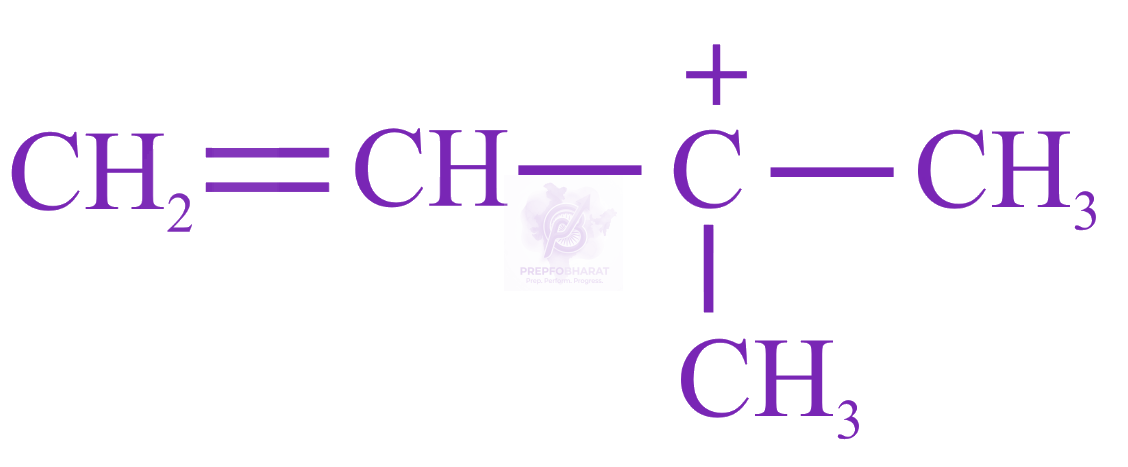
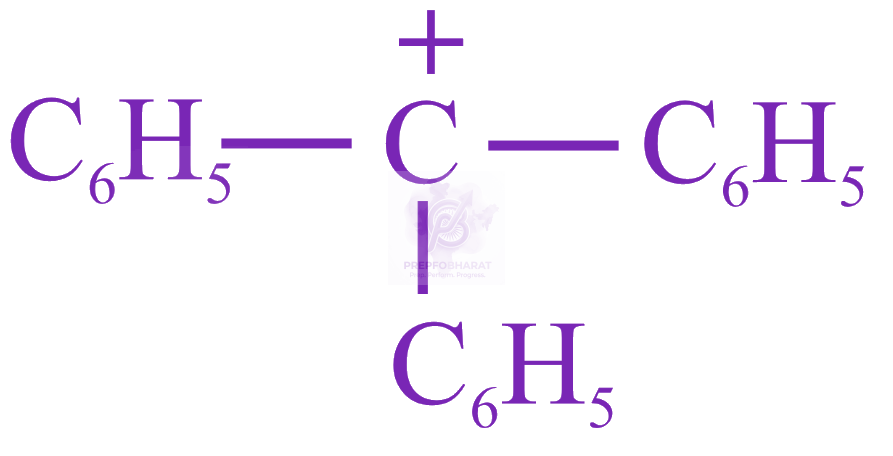
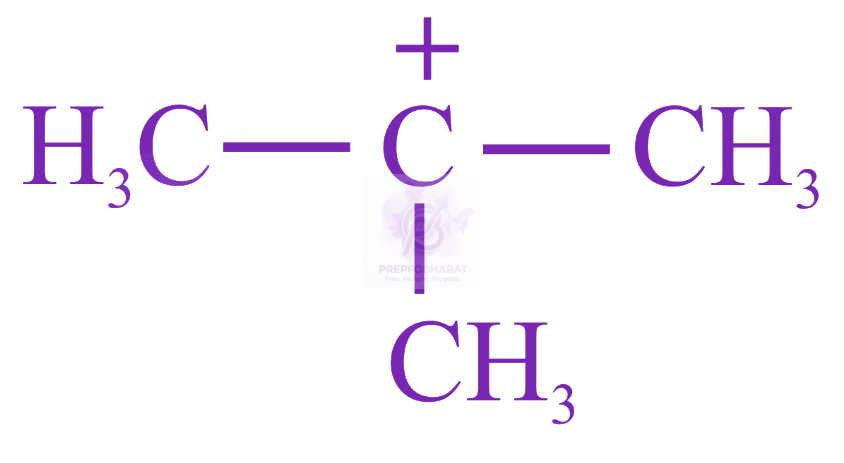
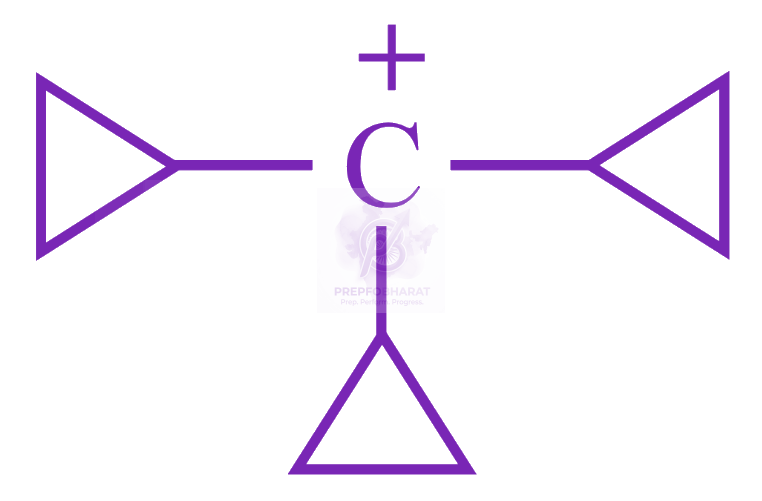
The stability of a carbocation increases with the number of alkyl groups attached to the carbon atom, due to the inductive and hyperconjugation effects of the alkyl groups. The more the number of alkyl groups, the greater is the electron density on the positively charged carbon, and hence the more stable is the carbocation.
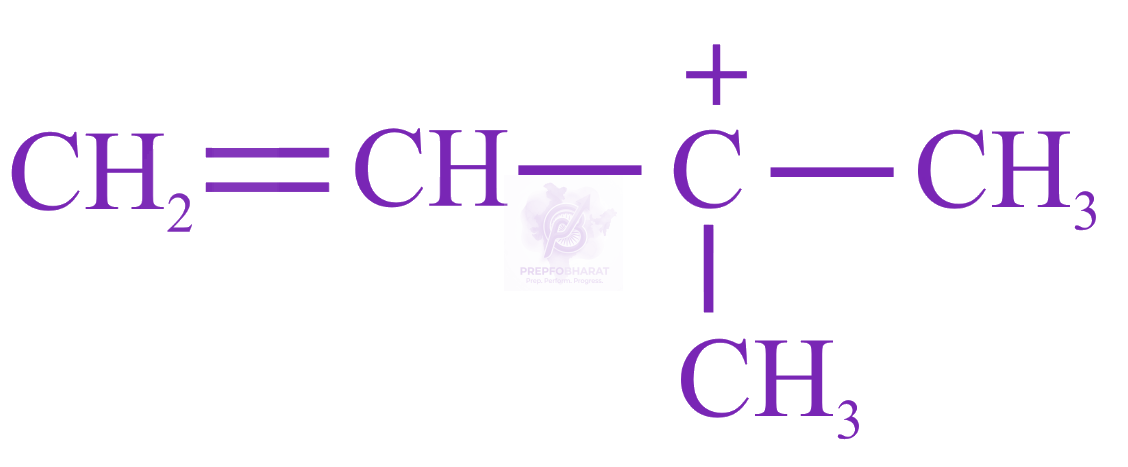
The above carbocation can be stabilised by resonance and hyperconjugation.
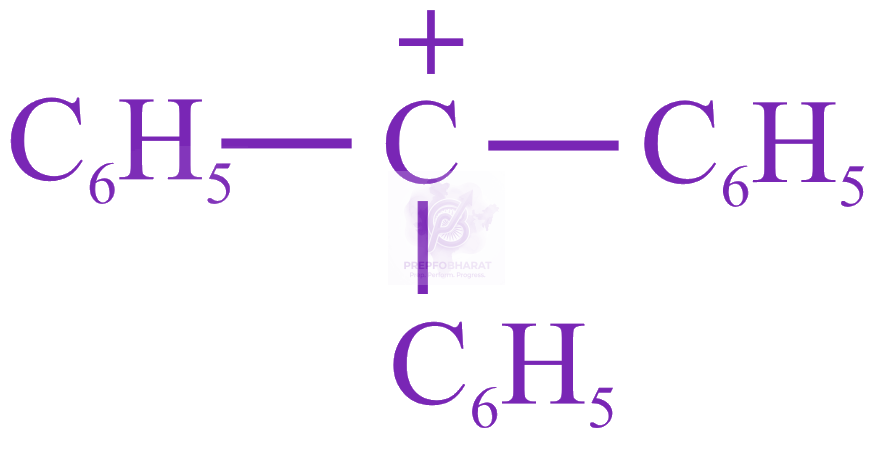
The above carbocation stabilised by resonance caused by three benzene rings. This carbocation is more stable than the previous carbocation.
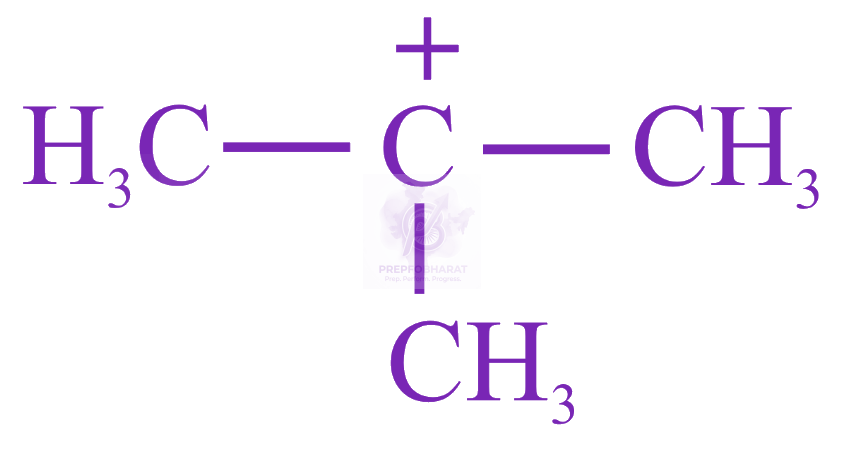
The above carbocation stabilised by hyperconjugation. It is the least stable carbocation among the four carbocations given.
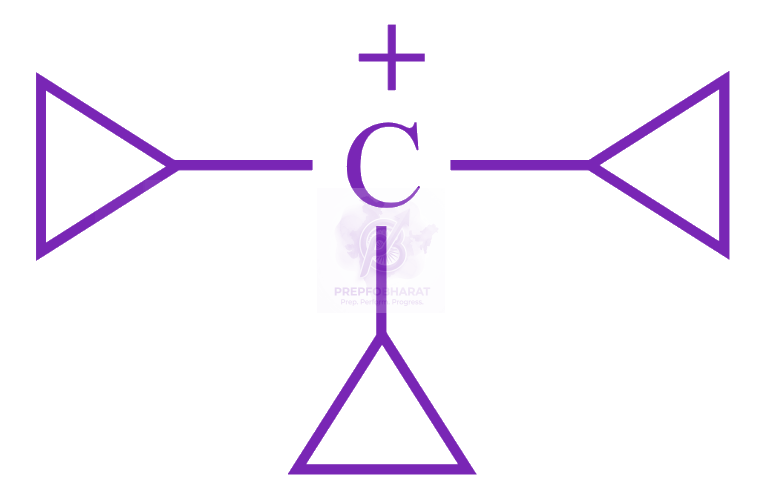
The above carbocation is the most stable carbocation among the four due to the resonance caused by bent orbitals.
From the given options Stability of carbocation: D>B>A>C
The least stable carbocation will have the highest hydride affinity, because it is the most electron deficient and has the highest positive charge density. As a result, it will have the strongest attraction for a negatively charged hydride ion.
Hydride affinity order: C>A>B>D