The first human-like being was the hominid, called Homo habilis. The brain capacities were between 650−800cc. They probably did not eat meat. Fossils discovered in Java in 1891 revealed the next stage, i.e. Homo erectus. Homo erectus had a large brain and probably ate meat. The Neanderthal man with a brain size of 1400 cc lived in near east and central Asia between 1,00,00−40,000 year back. They used hides to protect their body and burried their dead. Homo sapiens arose in Africa and moved across continents and developed into distinct races. During ice age between 75,000-10,000 years back modern Homo sapiens arose.
What was the most significant trend in the evolution of modern man (Homo sapiens) from his ancestors?
NEET UG 2011 — Zoology Evolution
2011mcqeasy
What was the most significant trend in the evolution of modern man (Homo sapiens) from his ancestors?
Official previous-year question
Held on 30 Apr 2011 · Verified 9 Jul 2026.
Options
- A
Shortening of jaws
- B
Binocular vision
- C
Increasing brain capacity
- D
Upright posture
Did you get this right?
Sign in to track your attempts and accuracy.
Your note
Sign in to keep a private note on this question. Nothing you write is ever public.
NEET UG Evolution in other years
More NEET UG Evolution questions
Sweet potato and potato represent a certain type of evolution. Select the correct combination of terms to explain the evolution.
2025easy
Match List I with List II: 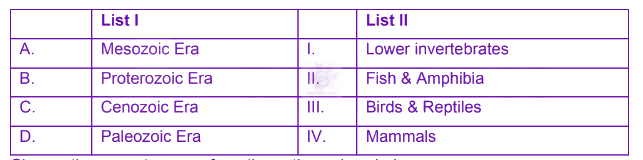 Choose the correct answer from the options given below :
2024easy
Which one of the following factors will not affect the Hardy-Weinberg equilibrium?
2024easy
Given below are some stages of human evolution. Arrange them in correct sequence. (Past to Recent) A. Homo habilis B. Homo sapiens C. Homo neanderthalensis D. Homo erectus Choose the correct sequence of human evolution from the options given below:
2024medium
The flippers of the Penguins and Dolphins are the example of the
2024medium
Other Zoology topics for NEET UG
Keep practicing Evolution
Work through every NEET UG Evolution PYQ, year by year.