Correct Option :
C (1 and 3 only)
Incorrect Options:
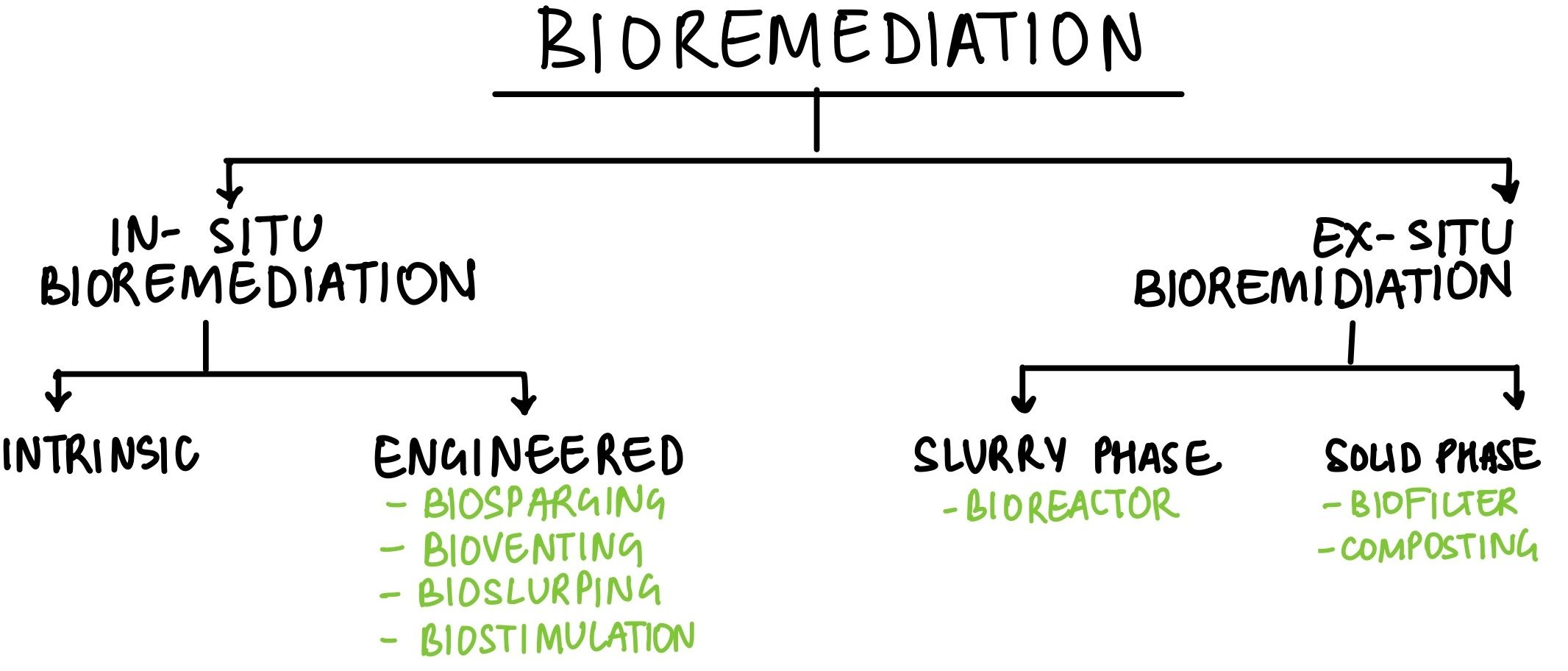
Statement 1 is correct. Bioremediation is a pollution control technique that leverages and enhances natural biodegradation processes. It involves the use of living organisms, primarily microorganisms, to break down or neutralize hazardous substances in contaminated environments.
Statement 2 is incorrect. While bioremediation is effective for a range of organic contaminants, its efficacy against heavy metals such as cadmium and lead is limited. Microorganisms can sometimes transform or immobilize heavy metals, reducing their mobility or toxicity, but they generally cannot completely degrade or eliminate them from the environment. Complete remediation of heavy metal contamination using microorganisms is not readily achievable.
Statement 3 is correct. Genetic engineering offers a significant advantage in bioremediation by enabling the creation of microorganisms with enhanced capabilities. Through genetic modification, microbes can be engineered to degrade specific pollutants more efficiently, tolerate harsh environmental conditions, or produce enzymes that accelerate the breakdown of contaminants. This allows for the development of tailored bioremediation solutions.